Early Years SEND Inclusion Recommendations
Pushing for early years SEND policy change
Dingley’s Promise is clear that without immediate reform to provide greater support for the early years sector in a number of areas, children and families will continue to be failed by a system within which they do not belong.
We welcome the white paper’s focus on early years and the acknowledgement of this as a vital stage which shapes the educational journey for all children. This is the first time that the early years has been centred within SEND education reform plans, and as such this provides a huge opportunity.
The white paper aims to “strengthen the ability of every educational setting to meet the varying needs of children and young people”. This aspiration, if successful, puts children on a level playing field, regardless of need or disadvantage, finally giving educators the resources needed to be truly inclusive and welcome every child.
The government’s commitment to £47 million funding for inclusion, specifically in the early years, provides an opportunity for quicker response to needs which are identified early. We have long championed early identification of need, however the effectiveness of this will rely on a simple, standardised and effective way of assessing needs and responding to them, which can be communicated across all professionals involved with the child.

There are however clear gaps in detail and a lack of clarity over specific areas relating to children with SEND in the early years , which we are keen to feed into as part of the government consultation, these include:
- The need for tracking of children with SEND clearly in each local authority to enable better awareness of levels of children with SEND and improved sufficiency measures
- The need to ensuring full whole setting, needs-led inclusive practice with the new school-based nurseries.
- Acknowledgment of early years specialist provision as a distinct sector that requires clear guidelines, controls and expectations
- Early years access to medical professionals, currently a significant issue – how will this be address by the Experts at Hand programme.
- Eligibility criteria for SEND support needs to be much clearer and we need to ensure that packages of support are suitable for children in the early years.
- The new Inclusion Standards must take into account materials already created by the Department for Education such as the Early Years Assessment Guidance (2024).
- Local authorities all have different early years SEND offers, and the new BSiL role has to be flexible enough to fit in and compliment other services and professionals.
Our family survey in April 2025 reflects the true impact of failings in the current system:

of families said their level of trust in the education system was low or very low
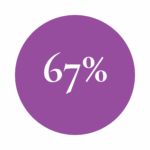
of families have struggled to access support for their child from their local authority

of families said their child had been turned away from at least one setting

of families said their children are not accessing their full entitlements

A call to action
We’re asking everyone across the early years sector to support our recommendations and positively drive change – because building an inclusive early years is everyone’s responsibility. Take a look at our calls to action here:

“We want to remove the barriers and reverse the negative culture which has developed in the early years sector, which is impacting the numbers of children with SEND who are able to access their early years education in a meaningful and inclusive way. With reforms imminent, this is an ideal time for us to share our knowledge and experience of working with families for over 40 years to ensure that their voices are heard.
We need to be brave and invest our resources differently, making greater long term improvements for children, families, educators and the economy.”
Catherine McLeod MBE – CEO of Dingley’s Promise
“We are backing the work of Dingley’s Promise to create a more inclusive early education system. There is so much within our gift now that would improve access and inclusion for children today.”
Sarah Ronan, Director of Early Education and Childcare Coalition